
Our Services
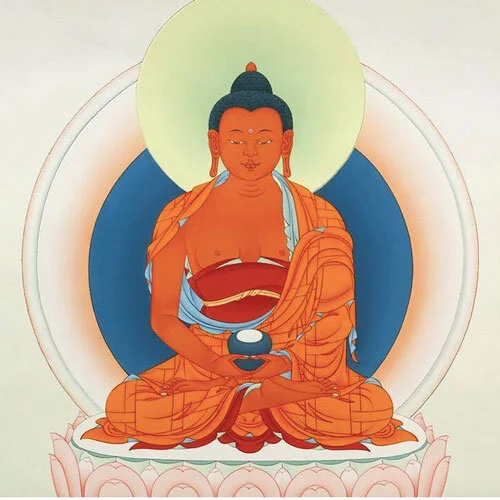
Buddhist Funerals
Buddhist funeral services are traditionally held in the family home or in the temple, but can be anywhere, with the Palyul Centre leading the ceremony according to the Tibetan Buddhist teachings.
The ceremony takes place as soon as possible after the passing. Family and friends can take part in the chanting of prayers to dedicate merits for the deceased. Printed phonetic versions with translation enable those not familiar with the practice to join in.
For 49 days the deceased remains in the bardo state, during which guiding practices are performed each day. They can also take place every 7 days for 49 days.
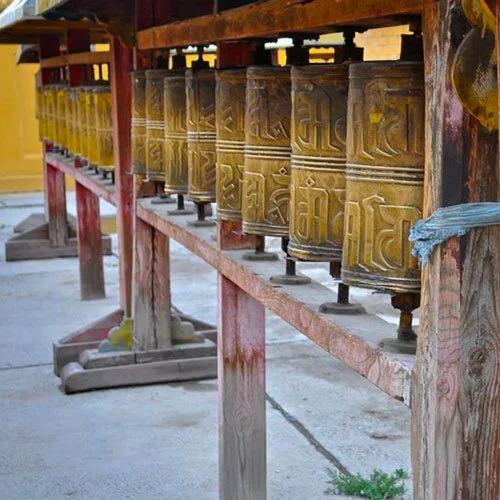
Wedding Blessings
Unlike other spiritual traditions, Buddhists consider marriage to be a secular matter, meaning it is the individual’s choice. For the most part, Buddhist weddings do not take place inside a temple. They are typically held in a private home or rented hall.
Rather than having strict proceedings, a Buddhist wedding is a joyful, fluid occasion that reflects the background of the partners - any culture is welcomed within the Buddhist tradition.
During a traditional Tibetan Buddhist wedding, the ceremony opens with the Verses of the Eight Noble Auspicious Ones, and concludes with rituals for summoning long life, happiness and the forces of prosperity.
A couple is welcome to include these or any other requests.
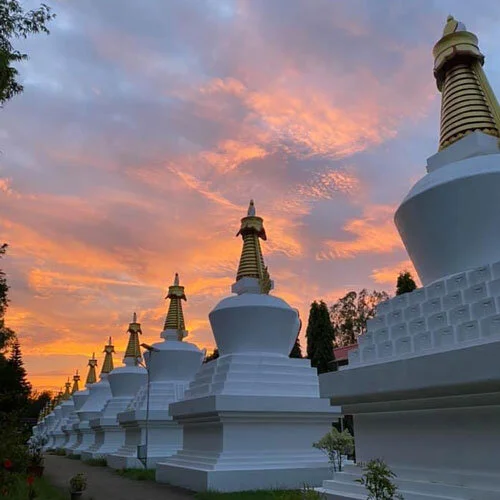
Naming Ceremonies
In the Tibetan Buddhist tradition there is no such thing as a “naming ceremony” for a newborn child. However, customarily Tibetan Buddhist parents can request a lama to give a name for their child for auspicious reasons, and purification practices will be done for the child through Vajra Vidharana, “the Vajra Conqueror”.
Traditionally there are also astrological charts drawn up which tell the connection between the child’s past and future life, and which require the commissioning of a particular statue of Buddha in order to ensure a virtuous life.
Although it is not the same in the West, an element can be kept by presenting the chosen name to the child within the purification practice of Vajra Vidharana.